

.webp?v=76844174e902)
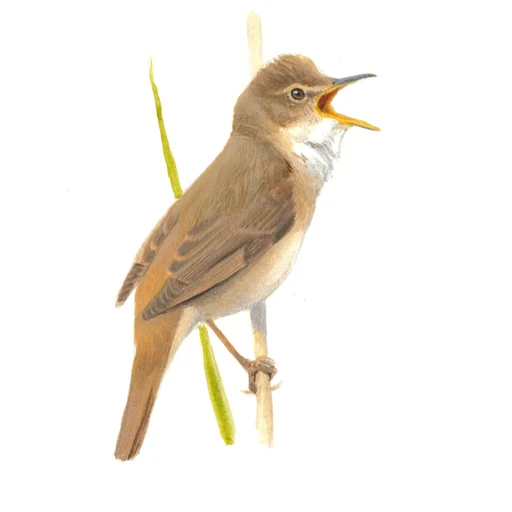
Kleine Karekiet
Waar houdt ie van
Riet. Veel riet. Slootkanten, plassen, moerassen, rietkragen langs vaarten. Met wat struikgewas erachter voor beschutting. In tuin en park? Je moet wel een héle grote tuin hebben, maarr als dat zo is, zorg dan voor een vijver hebt met een brede, rommelige rietrand. Laat het lekker dichtgroeien.
Ecologisch belang
Insecteneter met haast. Spinnen, muggen, vliegen, libellenlarven, rupsen: weg ermee. Voert zijn jongen op met een eindeloze stroom kleine beestjes. Wordt zelf gegeten door roofvogels en marterachtigen; riet biedt dan net dat beetje dekking.
Wanneer in Nederland
Zomergast. Komt meestal in april/mei aan, zingt tot in juli, weg vanaf augustus. Overwintert in Afrika.
Status
Algemeen, maar gevoelig voor het verdwijnen van riet en natte, ruige oevers. Help ’m door oevers natuurvriendelijk te beheren: flauwe taluds, ondiep water, riet laten staan. Maai riet in fases (niet alles tegelijk) en liever in de winter. Houd slootkanten kruidenrijk: kattenstaart, watermunt, moerasrolklaver. Minder strak, meer leven.
Zo klinkt een Kleine Karekiet
We blijven deze tekst aanscherpen. Mis je iets of klopt er iets niet? Mail [email protected] en help mee. Dan strijken we samen de veren weer even goed.