

.webp?v=76844174e902)
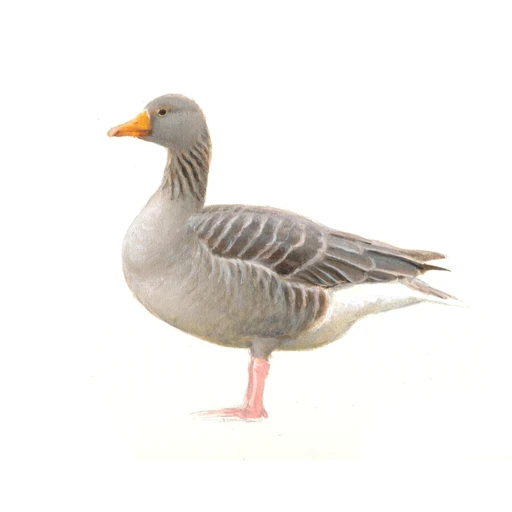
Grauwe Gans
Waar houdt ie van
Rust. Ruimte. Water. Natte graslanden, plassen, uiterwaarden en brede sloten waar je fijn kunt foerageren én wegkijken. In de buurt van kort gras zit je goed: daar zie je gevaar op tijd aankomen. Laat een oever rommelig. Riet, ruigte en een paar natte hoekjes: prima schuilplek met kuikens. In park of erf: houd honden aangelijnd langs waterkanten in het broedseizoen. Op het land: werk met plas-dras en laat een brede, ongemaaide slootrand staan.
Ecologisch belang
Grauwe ganzen zijn grazers. Ze knippen gras en kruiden kort, bemesten het land en houden open plekken open. Kuikens leven in het begin veel van insecten en andere kleine beestjes uit natte randen: hoe rijker de slootkant, hoe meer overlevingskans. Eieren en kuikens zijn dan weer voer voor vos en grote meeuwen.
Wanneer in Nederland
Het hele jaar. Veel broeden hier, ’s winters komt er extra aanwaaien uit het noorden.
Status
Algemeen. Grote aantallen, plaatselijk ook flink aanwezig.
Zo klinkt een Grauwe Gans
We blijven deze tekst aanscherpen. Mis je iets of klopt er iets niet? Mail [email protected] en help mee. Dan strijken we samen de veren weer even goed.