


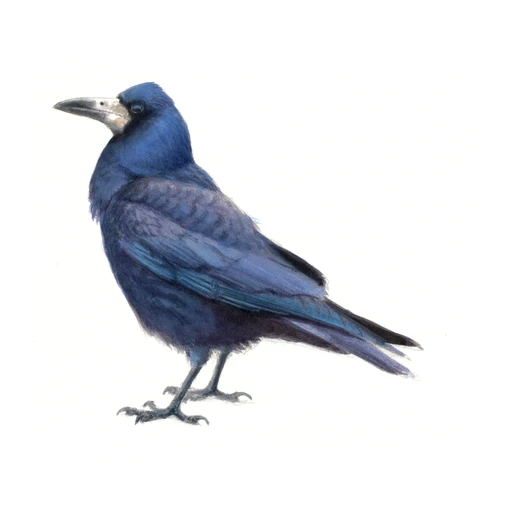
Roek
Waar houdt ie van
Open land met korte grasmat en zachte bodem. Weilanden, akkers, sportvelden, bermen. En vooral: hoge bomen in de buurt om samen te broeden. Help ’m een handje: laat een hoekje gras wat ruiger, maai gefaseerd, en prik geen strak “golfbaantje” over je hele erf. Op boerenland werkt kruidenrijk grasland en minder vaak slepen of doorrollen: dan komt er weer leven in de bodem.
Ecologisch belang
De roek is een opruimer met een scherpe snavel. Eet vooral regenwormen, larven, emelten en kevers. Dat scheelt plaagdruk op het land. Kuikens zijn eiwitrekkers: die groeien groot op bodemdiertjes. In de voedselketen is hij zelf prooi voor roofvogels en de vos, en daarmee gewoon onderdeel van het systeem.
Wanneer in Nederland
Het hele jaar. In het vroege voorjaar bouwen ze luidruchtig aan kolonies.
Status
Broedvogel. Aantallen zijn de laatste decennia afgenomen; broedkolonies zijn kwetsbaar voor verstoring.
Het geluid van...
OH NEEEEE, hoe klinkt de Roek dan?! We hebben nog geen goede opnames van deze vrolijke fluiter in onze database. weet jij het? Heb je hem wel eens gehoord? of heb je een goeie opname van deze soort, laat het ons weten en mail naar: [email protected]
We blijven deze tekst aanscherpen. Mis je iets of klopt er iets niet? Mail [email protected] en help mee. Dan strijken we samen de veren weer even goed.