


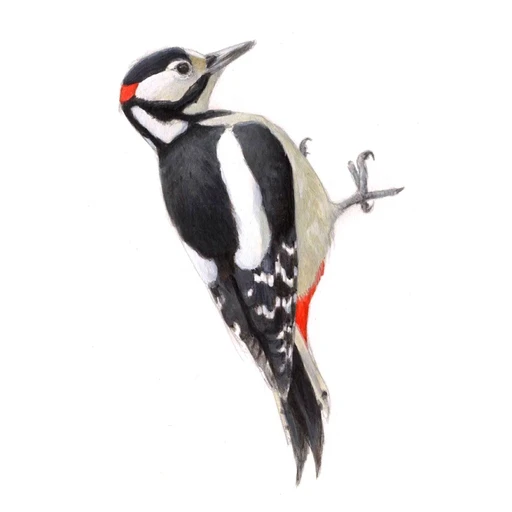
Grote Bonte Specht
Waar houdt ie van
Oude bomen. Dikke takken. Dood hout. Een rommelrand waar het mag knetteren van leven. Hang een nestkast op met een ruime invliegopening, maar nog beter: laat een oude berk, populier of fruitboom staan, ook als ’ie niet meer “netjes” is. In park, erf én boerenerf: laat een paar staande dode stammen staan als dat veilig kan. Daar tikt hij zo op in.Eet vooral insecten en larven uit hout, in voorjaar ook rupsen. In de winter schakelt hij bij met zaden en noten; een vetblok helpt, pindakaas zonder zout ook.
Ecologisch belang
Hij is de timmerman van het landschap. Zijn nestholtes worden later gebruikt door mezen, boomklever, spreeuw en soms vleermuizen. En hij houdt houtbewonende insecten in toom. Sperwer en havik lusten er wel eentje; dekking met struiken helpt.
Wanneer in Nederland
Het hele jaar. In maart-mei extra druk: roffelen, territorium, jongen.
Status
Algemeen. Gaat goed waar bomen oud mogen worden en dood hout niet meteen wordt “opgeruimd”.
Zo klinkt een Grote Bonte Specht
We blijven deze tekst aanscherpen. Mis je iets of klopt er iets niet? Mail [email protected] en help mee. Dan strijken we samen de veren weer even goed.