


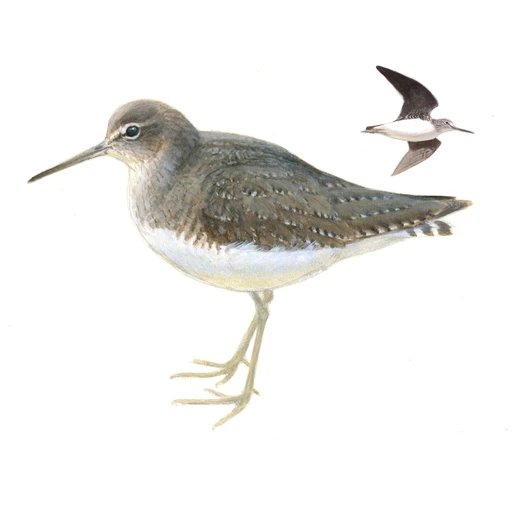
Witgat
Waar houdt ie van
Kale, natte randen. Slik, modder, ondiep water. Daar stapt ’ie nerveus rond, wipt met z’n staart en prikt eten uit de prut. Help ’m: laat plas-dras plekken staan in weiland of park. Lage oeverstukken liever niet strak maaien. Maak een flauwe oever bij sloot of poel, met een rommelige overgang van nat gras naar modder.
Ecologisch belang
De witgat is een opruimer van natte randjes. Hij eet insectenlarven, kleine waterdiertjes en wormpjes. Daarmee houdt hij het leven in slootkanten en poelen in beweging. Zelf is hij prooi voor roofvogels; open, veilige rustplekken maken verschil.
Wanneer in Nederland
In principe het hela jaar te zien, met pieken tijdens de trek. Een deel overwintert, vooral in zachte winters.
Status
Broedt niet in Nederland. Doortrekker: algemeen. Overwinteraar: schaars tot vrij algemeen.
Zo klinkt een Witgat
We blijven deze tekst aanscherpen. Mis je iets of klopt er iets niet? Mail [email protected] en help mee. Dan strijken we samen de veren weer even goed.