


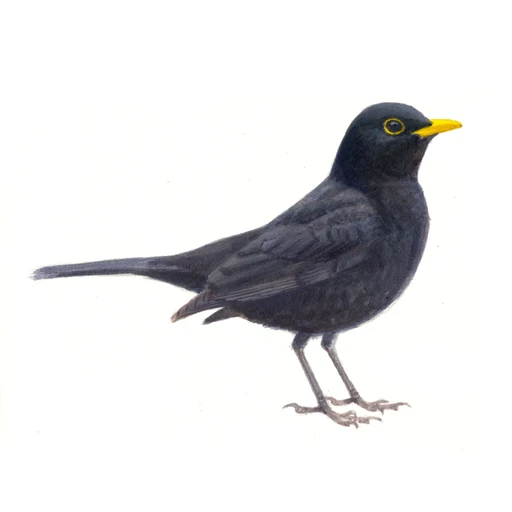
Merel
Waar houdt ie van
Rommelige randjes. Struiken om in te schieten. Natte grond om te prikken. Plant hulst, meidoorn, liguster en een paar vlier- of lijsterbessenstruiken. Dan is er dekking én eten. Laat in de herfst blad liggen onder de haag. Daar zitten regenwormen, slakken en insectenlarven: merel-fastfood. In park en erf: een dicht struikvak maken, niet overal schoffelen. In landbouwgebied: hou kruidenrijke bermen en slootranden breed en ongemaaid in delen. Een rommelhoekje doet wonderen.
Ecologisch belang
Eet vooral regenwormen, insecten en bessen. Ruimt veel bodembeestjes op en helpt zaden verspreiden via z’n poep. Wordt zelf gepakt door sperwer, havik en soms kat. Meer schuilplek = meer overleving.
Wanneer in Nederland
Het hele jaar. In de winter sluiten extra merels uit het noorden soms aan.
Status
Algemeen. Wel gevoelig voor droge zomers en een al te strak opgeruimde leefomgeving.
Zo klinkt een Merel
We blijven deze tekst aanscherpen. Mis je iets of klopt er iets niet? Mail [email protected] en help mee. Dan strijken we samen de veren weer even goed.