


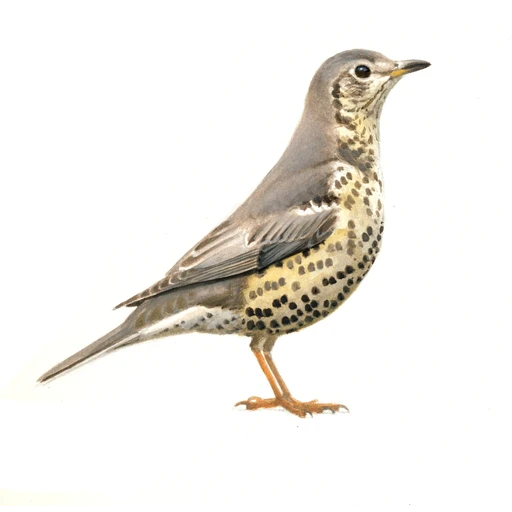
Grote Lijster
Waar houdt ie van
Open plekken met overzicht. Korte grasvelden om te rennen en te prikken. Hagen, struweel en boomgaarden om te schuilen. In de tuin: laat een hoek rommelig met blad en takken. In park en erf: plant meidoorn, sleedoorn, lijsterbes en vlier. Op het land: houd houtwallen en singels heel, laat ruige randen staan.
Ecologisch belang
Slakken- en regenwormeneter van formaat. Hij pakt ook insecten en spinnen. In de herfst schakelt hij over op bessen en verspreidt zaden, precies het duwtje dat struweel nodig heeft om terug te komen. Eieren en jongen zijn voer voor kraaiachtigen en roofvogels: zo blijft de keten draaien.
Wanneer in Nederland
Jaarrond. Veel vogels broeden hier, ’s winters krijgen we extra bezoek uit Noord- en Oost-Europa.
Status
Broedvogel met afname. Meer rommelranden, bessenstruiken en natte, levende bodem helpen meteen.
Zo klinkt een Grote Lijster
We blijven deze tekst aanscherpen. Mis je iets of klopt er iets niet? Mail [email protected] en help mee. Dan strijken we samen de veren weer even goed.