


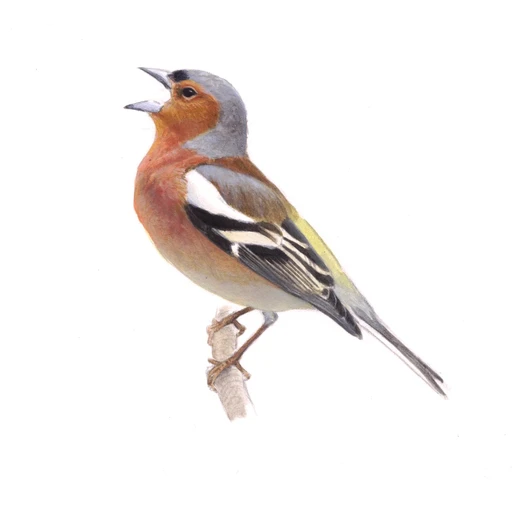
Rommelige randen. Heggen, houtwallen, struiken met bessen, een paar flinke bomen en een stukje kort gras om te foerageren. In de tuin: laat een hoekje “net niet af” zijn. Plant meidoorn, sleedoorn, hondsroos, lijsterbes en hazelaar. In park en erf: kies voor struikmassieven in plaats van losse sierbolletjes. Op het land: houd akkerranden breed en bloemrijk, en laat knotbomen en singels staan.
De vink is een zadenkraker met een zachte kant: in het broedseizoen schakelt hij over op insecten en spinnetjes voor de jongen. Meer struiken en ruigte = meer insecten = meer vinkenslag. Vinken zijn ook prooi voor sperwer en havik, dus ze horen in het hele voedselweb.
Het hele jaar. Veel broeden hier, ’s winters komen er extra vinken bij uit het noorden.
Algemeen. Maar in saaie, strak gemaaide en kale gebieden wordt het snel stiller.
We blijven deze tekst aanscherpen. Mis je iets of klopt er iets niet? Mail [email protected] en help mee. Dan strijken we samen de veren weer even goed.